Rubbish removal near Hammersmith Bridge what to know
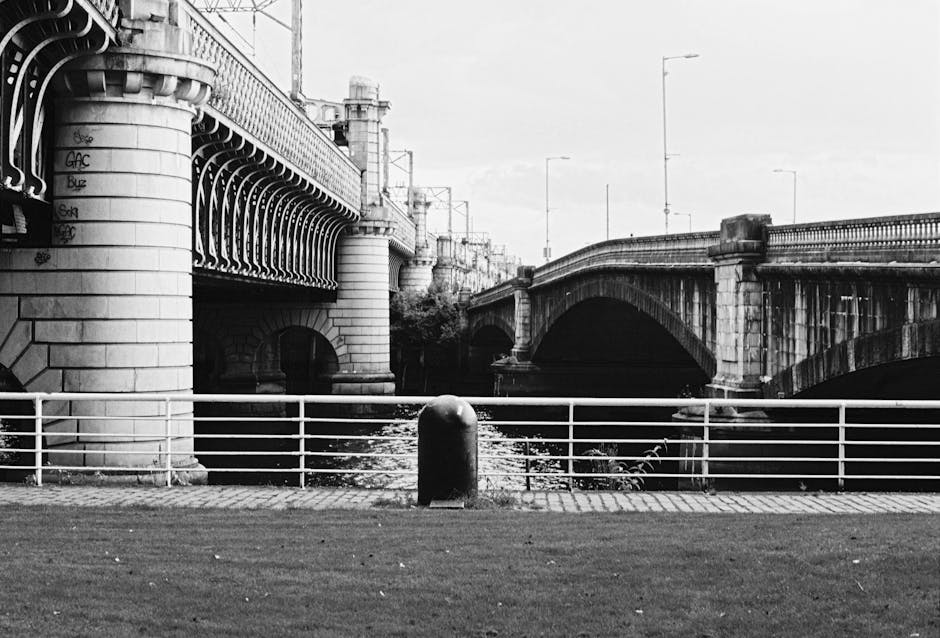
If you are sorting out a flat, clearing a garden, or trying to get rid of a bulky mix of junk near Hammersmith Bridge, the process can feel oddly complicated. The streets are busy, access can be awkward, and not every load is as simple as "put it out and forget it". That is exactly why knowing the basics of Rubbish removal near Hammersmith Bridge what to know matters before you book anything. A little planning can save you time, reduce stress, and help you avoid the classic last-minute scramble with a pile of bags by the door. Truth be told, that's rarely a fun moment.
This guide walks through how rubbish removal works, what to look out for in the Hammersmith Bridge area, what affects pricing, which items need special handling, and how to choose the right method for your situation. Whether you are clearing one sofa or a whole property, you will come away with a clearer picture and, hopefully, fewer surprises.
Why Rubbish removal near Hammersmith Bridge what to know Matters
Hammersmith Bridge is not the kind of place where you want to wing it. Between residential streets, busy traffic, parking pressure, and the practicalities of loading waste safely, a "quick tidy-up" can become a mildly chaotic afternoon if you are unprepared. Knowing what rubbish removal involves helps you choose the right service, avoid delays, and keep the whole job tidy from start to finish.
There is also a simple reality here: different types of waste need different handling. Old furniture, broken appliances, builder's rubble, garden cuttings, and confidential paper all follow different paths. If you treat everything as one big pile, you risk extra charges, refusal on the day, or waste being handled badly. Nobody wants that. Not you, not the team doing the lifting.
For many people in this part of West London, the biggest issue is space. Flats near the bridge often have narrow stairwells, limited lift access, shared entrances, and not much room to stage items. That makes flat clearance, house clearance, and general rubbish removal a bit more strategic than people expect. A good plan turns a messy job into a straightforward one.
If you are comparing service types, it can also help to understand adjacent services such as waste removal, flat clearance, or more targeted help like furniture disposal. The right choice depends on what you have, how quickly it needs clearing, and how awkward the access is.
How Rubbish removal near Hammersmith Bridge what to know Works
Most rubbish removal jobs follow a fairly simple pattern. You identify what needs removing, get a quote, agree a time, and the team comes to collect, load, and dispose of the waste responsibly. Easy enough on paper. In practice, the details matter.
Here is what typically happens:
- Assess the waste - You list the items, estimate volume, and note anything unusual such as heavy waste, electrical items, or awkward access.
- Receive a quote - Pricing is usually based on volume, weight, labour, and access conditions. A third-floor walk-up will often be different from a ground-floor pickup.
- Book a collection window - The team schedules a visit that fits your availability and the practical realities of the street.
- Prepare the items - You may need to separate items, move small valuables, or make sure access routes are clear.
- Collection and loading - The crew removes items, often sorting as they go, so recyclable materials can be separated.
- Disposal or recycling - Waste is taken to the proper facility, with suitable items diverted for reuse or recycling where possible.
Near Hammersmith Bridge, the access part can be the main variable. A load that seems small can still take longer if parking is difficult or if items have to be carried down multiple flights. On a damp morning, with traffic humming in the background and a narrow hallway to navigate, even a sofa can become a small event.
That is why a precise description of your rubbish matters. If you have mixed items, you can often simplify things by grouping them by type. For example, keep general household waste separate from furniture, and keep any special waste apart. If you are dealing with old office paper or sensitive documents, a service like confidential shredding may be more suitable than standard rubbish removal.
Key Benefits and Practical Advantages
The appeal of rubbish removal is not just convenience, although that is a big part of it. It is also about speed, safety, and reducing the admin that comes with dealing with waste yourself.
- Less physical strain - Heavy lifting, awkward mattresses, and broken furniture are not something everyone wants to tackle alone.
- Faster clearance - A professional collection can clear a space in one visit rather than several trips to a local facility.
- Cleaner outcomes - Rooms, hallways, gardens, and storage spaces are left ready for their next use.
- Better waste handling - Recyclable and reusable items can be separated more effectively.
- Reduced hassle - You avoid hiring a vehicle, loading it, driving it, unloading it, and then doing the same thing again.
There is also the less obvious benefit of keeping the job calm. If you have ever tried to manoeuvre an old wardrobe through a tight staircase while your phone keeps buzzing and someone is asking where the nearest bag of screws went, you'll know exactly what I mean. Professional clearance tends to remove that noise.
For bigger jobs, related services can make life easier too. A home clearance can suit broader domestic projects, while house clearance may be better if you are dealing with a whole property rather than one room. If the issue is mainly old seating or a mattress, focused services like mattress and sofa disposal can be a neat fit.
Who This Is For and When It Makes Sense
Rubbish removal near Hammersmith Bridge makes sense for a lot of different people, not just someone doing a dramatic declutter on a Sunday afternoon. It is useful whenever the waste is too bulky, too messy, or too inconvenient for regular disposal.
Typical situations include:
- Residents clearing out a flat after a move or tenancy end
- Landlords preparing a property for re-let
- Homeowners dealing with long-postponed loft, garage, or spare-room clutter
- People replacing furniture, appliances, or flooring
- Small businesses removing office waste or archived material
- Tradespeople clearing builders' leftovers after a renovation
If you are in a compact property with limited storage, the need often comes sooner than you think. One extra wardrobe, a broken freezer, and a couple of bulky bags can make a hallway feel suddenly smaller. That's when a planned clearance becomes more of a relief than a luxury.
For example, if you are dealing with a rented flat, you may need a fast turnaround and a clean finish. In that case, a flat clearance service is often more practical than trying to shift items piecemeal. For bigger business premises, office clearance or business waste removal may be the better route.
Step-by-Step Guidance
If you want the job to go smoothly, a little structure helps. Here is a simple way to approach rubbish removal without overthinking it.
1. Sort the waste by type
Start by separating general rubbish, bulky furniture, electrical items, garden waste, builders' waste, and anything potentially hazardous. Mixed loads are common, but they are easier to manage when you know what you have.
2. Check access before booking
Look at stairs, hallways, entrance width, lift availability, parking distance, and any time restrictions. Near Hammersmith Bridge, access can shape the whole job more than the pile itself. A two-minute walk from the vehicle can be totally fine; a blocked loading point and three flights of stairs, less so.
3. Ask what is accepted
Not everything can go into a standard load. Items like fridges, certain appliances, and hazardous waste can need separate handling. If you have old kitchen equipment, it is worth checking a specialist option such as fridge and appliance removal.
4. Ask for a clear quote
A good quote should explain what is included: labour, loading, disposal, and any access-related factors. If a price seems vague, ask questions. A couple of minutes now can save a lot of annoyance later.
5. Prepare the area
Move small valuables, free up pathways, and keep items you want to retain well away from the clearance zone. You do not want your favourite lamp ending up in the "gone" pile by mistake. It happens. More often than people like to admit.
6. Confirm disposal expectations
If recycling matters to you, ask how the waste will be handled. Many customers like to know whether items can be reused, recycled, or sorted. The subject of recycling should not be brushed aside; it is part of the job and part of the trust.
Expert Tips for Better Results
A few small decisions can make rubbish removal much simpler. These are the things people often overlook.
- Book before the waste becomes urgent - Emergency clearances are possible, but they usually create more pressure and fewer options.
- Photograph the load - A few clear pictures of the items and access route can help with more accurate planning.
- Separate special items - Keep mattresses, appliances, and anything fragile or hazardous apart from general rubbish.
- Think vertically - In flats and maisonettes, the lift, landing, and stair turns matter as much as floor space.
- Ask about recycling - Reuse and recycling are often built into a responsible service approach, and they should be explained plainly.
Here is one of those small-but-useful things: if you know you have a garden job, a mixed household clear-out, or building debris, mention that early. Services like garden clearance and builders waste clearance are often more suitable than a generic "come and collect whatever" request.
If you are unsure what the load really is, describe it in plain language. "Two broken wardrobes, some bags of clothes, a shelving unit, and a microwave" is much more useful than "quite a bit of stuff". A lot more useful, actually.
Common Mistakes to Avoid
The easiest mistakes are usually the boring ones, which is probably why they happen so often.
- Guessing the volume badly - Underestimating the amount of waste can lead to a quote mismatch or a longer collection process.
- Mixing restricted items with general rubbish - Hazardous or specialist waste may need a different route.
- Ignoring access issues - Parking, lifts, and entry width are not side issues; they can define the job.
- Leaving sorting until the crew arrives - That slows everything down, especially in tight spaces.
- Forgetting about security or privacy - Papers, devices, and personal items should be handled carefully.
Another common one is assuming every service is identical. It really is not. A general clearance, a furniture disposal job, a loft clear-out, and a commercial waste collection each have different expectations. If you need to clear a storage-heavy area, a loft clearance or garage clearance page may be closer to what you need than a general waste pickup.
And please, if there is anything sharp, damp, mouldy, or especially heavy, mention it. No one wants a hidden surprise halfway through the lift. That's just bad form.
Tools, Resources and Recommendations
You do not need a toolkit the size of a small van, but a few basics help a lot.
- Measuring tape - Useful for checking doors, hallways, and lift dimensions before moving bulky items.
- Marker labels or sticky notes - Handy for separating "keep", "remove", and "unsure" items.
- Heavy-duty bags or boxes - Better for smaller mixed waste, papers, and loose items.
- Gloves and sensible footwear - Common sense, yes, but easy to forget.
- Phone photos - Perhaps the simplest and most underrated planning tool.
For service pages and practical planning, the most useful references on this site tend to be the ones that match the waste type. For instance, use pricing and quotes when you want to understand how costs are usually approached, or recycling and sustainability if you care about how items are handled afterwards.
If you are disposing of large seating or a worn-out mattress, the dedicated disposal options are often more helpful than a general page. Same for business materials, which may benefit from business waste removal rather than a domestic clearance model.
Law, Compliance, Standards, or Best Practice
This is the part that many people skip, then regret later. In the UK, waste has to be handled responsibly, and anyone removing waste should be able to do so in a lawful, traceable way. You do not need to become a compliance expert overnight, but you should expect proper care around the handling, transport, and disposal of waste.
Best practice usually includes:
- Separating hazardous items from general waste
- Handling electrical items responsibly
- Protecting personal data when documents or devices are involved
- Reducing landfill where practical by sorting recyclable materials
- Using suitable lifting and loading methods to avoid accidents
If the job includes items that could pose a risk, such as chemicals, solvents, or contaminated materials, it is wise to ask for a specific disposal route. The same goes for waste from building or renovation work. A dedicated option like hazardous waste disposal exists for a reason, and it should not be treated as an afterthought.
There are also broader trust signals worth looking for when choosing a provider: clear terms, transparent payment handling, visible safety information, and a proper complaints process if something goes wrong. Those pages are not glamorous, but they matter. A lot.
You may also want to review operational details such as insurance and safety, health and safety policy, and payment and security before you commit. It is a sensible habit, not paranoia.
Options, Methods, or Comparison Table
There are a few ways to deal with rubbish near Hammersmith Bridge. The best method depends on what you have, how quickly it needs to go, and how much effort you want to spend doing the work yourself.
| Method | Best for | Pros | Watch out for |
|---|---|---|---|
| Professional rubbish removal | Mixed loads, bulky items, fast clearances | Convenient, labour included, good for awkward access | Needs accurate description of the load |
| Skip-style approach | Projects with ongoing waste over time | Flexible for repeated filling | Space, permits, and what can go in the container matter |
| Self-haul | Small loads and flexible schedules | Can be cost-conscious for lighter jobs | Time, vehicle use, lifting, and multiple trips |
| Specialist disposal | Appliances, mattresses, confidential waste, hazardous items | Safer and more appropriate for unusual waste | Needs the right service type from the start |
If you are not sure which route fits, a useful starting point is to compare the nature of the waste, not just the price. For instance, a mixed household clear-out may be better handled as home clearance, while a pile of renovation debris is more likely to suit builders waste clearance. The label matters less than the practical fit.
Case Study or Real-World Example
Here is a very typical scenario. A couple in a first-floor flat near Hammersmith Bridge decide to move out after months of "we'll sort that later". You know how it goes. One old wardrobe, a broken bedside table, two bags of mixed household items, a mattress, and some small boxes from the hall cupboard. Nothing outrageous, but enough to be annoying.
At first, they think they will handle it themselves. Then they remember the stairs are narrow, the lift is unreliable, and the parking outside can be patchy at best. By the time they add up the time, the lifting, the van hire, and the two or three trips needed, the self-clearance plan starts to look less clever and more like a weekend they do not want.
Instead, they book a rubbish removal visit and send photos in advance. The team arrives, checks the access, loads the furniture, and separates suitable items for recycling. The flat is left clear, the hallway is back to normal, and the couple can focus on the move instead of arguing with a mattress in the stairwell. Small victory. Big relief.
That is the real value here: not just getting rid of waste, but getting your time and headspace back.
Practical Checklist
Use this before the collection day. It keeps things simple and avoids the most common problems.
- List all items that need removing
- Separate general waste, furniture, appliances, and special items
- Check doors, stair width, lift access, and parking nearby
- Remove valuables, documents, and anything you want to keep
- Take photos of larger items for reference
- Ask whether any items need specialist handling
- Confirm what is included in the quote
- Keep access routes clear on the day
- Ask about recycling or reuse where relevant
- Make sure payment terms are understood before work begins
If you are clearing out storage spaces as part of the job, it may also be worth looking at furniture clearance or loft clearance depending on what is actually being removed. The aim is not to collect services like trading cards. It is to match the service to the mess.
Get a free quote today and see how much you can save.
Conclusion
Rubbish removal near Hammersmith Bridge is straightforward when you understand the moving parts: the type of waste, the access, the timing, and the handling requirements. Get those right and the whole process becomes much easier. Ignore them and, well, things can get a bit clunky fast.
The best approach is usually the calm one. Sort what you can, describe the load clearly, check access honestly, and choose a service that fits the job rather than forcing the job to fit the service. That simple shift saves stress, keeps costs sensible, and makes the day go more smoothly.
If you are dealing with a mixed household clear-out, a bulky furniture problem, or a more specialist waste type, there are clear next steps available across the site, including waste removal, house clearance, and pricing and quotes. A bit of planning now can make a big difference later. And honestly, that's usually the nicest way to handle a pile of rubbish.
Sometimes the simplest win is just getting the space back and breathing out again.
Frequently Asked Questions
What is the easiest way to arrange rubbish removal near Hammersmith Bridge?
The easiest approach is to identify the waste type, take a few photos, check access, and request a quote based on the actual load. Clear descriptions usually lead to smoother collections.
How do I know whether I need furniture disposal or general rubbish removal?
If most of the load is bulky household items like sofas, chairs, or wardrobes, furniture disposal is usually the better fit. If it is a mixed pile of bags, clutter, and small items, general rubbish removal may be more suitable.
Can rubbish removal handle a whole flat clearance?
Yes, in many cases it can. A full or partial flat clearance is often the right choice when you need furniture, clutter, and general waste removed together.
What should I do with broken appliances?
Broken appliances should not be treated like ordinary rubbish. They often need separate handling, so a specialist option such as fridge and appliance removal is worth considering.
Do I need to sort everything before the team arrives?
You do not need to sort every last item, but grouping waste by type makes things easier. It also helps avoid confusion when there are items that need special handling.
Is rubbish removal better than hiring a skip?
It depends on the situation. Rubbish removal is usually better for quick clear-outs, awkward access, and mixed loads. A skip can work well for ongoing projects, but it is not always the simplest option in a tight residential area.
What happens to the waste after collection?
It is normally taken for disposal, sorting, reuse, or recycling depending on the material. Responsible handling should be part of the service, not an afterthought.
Can hazardous items be removed with normal rubbish?
No, not usually. Hazardous waste needs specialist attention and should be declared in advance. If in doubt, ask before booking rather than guessing on the day.
How can I keep the cost down?
Be accurate about the volume, separate specialist items, clear access routes, and avoid last-minute changes. A well-described job is usually cheaper to quote and easier to complete.
What if I only have one or two bulky items?
Even small jobs can be worth arranging if the items are heavy or awkward. A single mattress, sofa, or appliance can be surprisingly difficult to move alone.
Is it safe to remove waste myself?
For light, simple items, yes, sometimes. But heavy furniture, sharp debris, electrical items, and anything hazardous can be risky. If it feels awkward, it probably is.
Where can I learn more about recycling and responsible disposal?
The best place to start is the site's recycling and sustainability information, which helps explain how reusable and recyclable items are handled in practice.